
Understanding Witness Types in School Misconduct Investigations
When schools respond to allegations of staff misconduct, witness statements often become one of the most important sources of information. But not all witnesses provide the same type of evidence, and treating every witness the same can lead to confusion, misplaced confidence, or missed warning signs.
Direct Witnesses
A direct witness is someone who personally observed the behavior in question. This might include a student who saw inappropriate conduct, a colleague who witnessed a concerning interaction, or a staff member who observed behavior that crossed professional boundaries. Direct witnesses are often viewed as the strongest source of information. However, even direct witnesses typically see only a portion of the interaction. Their perspective is limited to what happened in that moment, not what occurred before or after. Many times, misconduct occurs in private, so keep this in mind: The absence of a direct witness does not mean misconduct did not occur.
Disclosure Witnesses
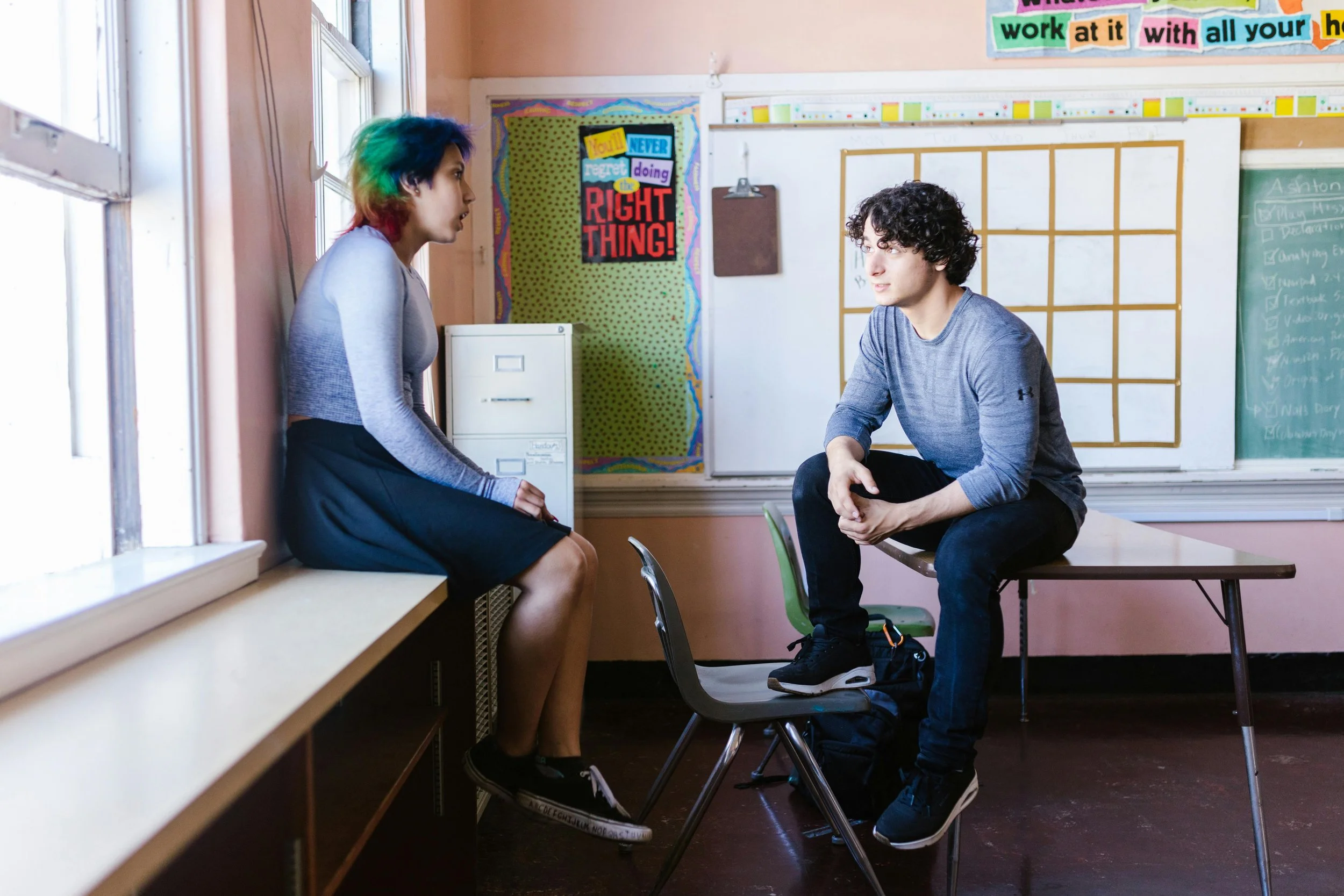
A disclosure witness is someone the victim confided in. This could be a parent, friend, teacher, counselor, sibling, or coach. Disclosure witnesses did not observe the misconduct firsthand, but their role is still critical. They can provide information about what the student reported, when the disclosure occurred, and the student’s emotional state at the time. Disclosure witnesses can provide essential context that helps investigators understand how and when concerns first came to light.
Corroborating Witnesses
Corroborating witnesses did not see the misconduct itself, but they observed behaviors that support or help explain the concern. For example, a teacher may have noticed a staff member giving a particular student unusual attention. A custodian may have observed frequent private meetings, excessive communication, or favoritism. A student may have noticed interactions that seemed different from typical staff-student relationships. Individually, these observations may seem minor. But when viewed together, they can reveal patterns of inappropriate behavior.
Proximity Witnesses
Proximity witnesses are staff members who worked in close physical or professional proximity to the alleged offender. This often includes co-teachers, co-coaches, paraprofessionals, SECAs, aides, and other support staff. They may not have witnessed specific misconduct, but they were present for daily interactions and often observed patterns others could not see. In many cases, proximity witnesses later recognize behaviors that felt uncomfortable in hindsight, even if they did not initially view them as misconduct. They can help schools understand not just what happened, but how and when it was able to occur.
Character Witnesses
Character witnesses speak about a person’s general reputation or typical behavior. Mind you, it is not uncommon for individuals accused of misconduct to be viewed positively by colleagues and supervisors. In fact, we have seen multiple cases where the alleged offender was previously awarded Teacher of the Year. So while character witnesses can help provide some context, the way they view a person is not always indicative of what that person is really like or capable of behind closed doors.
Expert Witnesses
In some cases, expert witnesses may be involved to provide specialized knowledge. Experts can help explain grooming behaviors, trauma responses, delayed disclosure, or how children and adolescents recall and describe experiences. Their role is not to determine whether misconduct occurred, but to help others understand behaviors and responses that might otherwise be misunderstood.
Why This Matters
Misunderstanding witness types can lead schools to rely too heavily on character witnesses, undervalue disclosure witnesses, or overlook patterns identified by corroborating and proximity witnesses. Investigations are more effective when we understand what each witness knows, how they know it, and how their information fits within the larger timeline.
The Bottom Line
Each witness provides a different piece of a larger puzzle.
Understanding the different types of witnesses helps schools evaluate information more thoughtfully, respond more effectively, and make informed decisions.
