
Why Consistency in Investigations Matters
When a complaint comes in, most school leaders and HR teams are focused on doing the right thing. They want to be fair, thorough, and responsive. What often gets less attention until something goes wrong is whether the way they handle this complaint matches the way they've handled every other one.
Consistency Matters More Than You Might Think
An investigation doesn't exist in a vacuum. It exists alongside every other investigation your school or district has ever conducted. There should be consistency in how complaints are received, how investigations are initiated, how evidence is gathered, how parties are notified, and how findings are documented.
Inconsistency signals that your process is subjective, and subjective processes raise uncomfortable questions: Were certain complainants taken less seriously? Were certain respondents afforded protections others weren't? Were outcomes shaped by something other than the facts?
Even when the answer to all those questions is a firm "no," inconsistency makes that answer harder to defend.
Consistency Is a Form of Fairness
When students, families, and staff know that complaints are handled the same way regardless of who is involved, it builds something that's genuinely hard to earn: trust. Trust that the process is predictable. Trust that the outcome won't depend on who you are or who you know. Trust that the institution takes these matters seriously across the board.
That trust is part of what makes a school community function. And it's part of what makes investigations, when they do happen, feel legitimate to everyone involved.
What Consistency Actually Looks Like
Consistent investigations don't mean identical outcomes. They mean a reliable, documented process that is applied the same way every time. In practice, that includes things like:
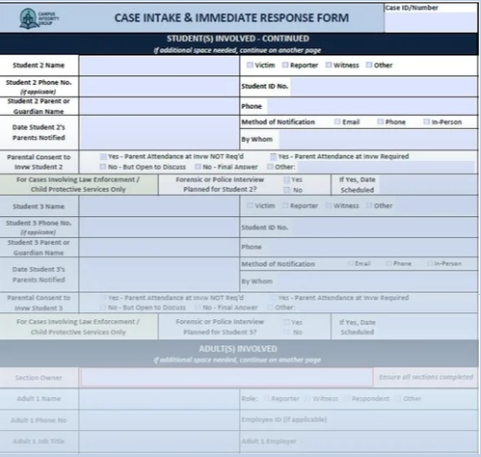
A clear intake process so every complaint is received and recorded the same way, regardless of how it's reported or who receives it.
Trained investigators who understand both procedural requirements and how to apply them impartially.
Thorough documentation at every stage, from initial report through final determination.
Consistent application of the same standards for evidence, credibility, and findings.
Regular review of past investigations to identify gaps or patterns that need to be addressed.
For many schools, the honest answer is that not all these pieces are in place, and that's not a failure. It's just a starting point.
The Risk of "We Handle It Case by Case"
A case-by-case approach can feel like flexibility or nuance, but without a documented framework underneath it, it often creates the very inconsistencies that generate risk. If every investigation is approached fresh, without reference to how similar situations were handled before, you're likely producing a record that can be picked apart, not because anything was done in bad faith, but because there was no system holding it together.
The schools and institutions that are best positioned are the ones that can point to a consistent, well-documented process and say: This is how we handle these situations, and this is how we've always handled them.
Building Consistency Before You Need It
The best time to build a consistent investigative framework is before a serious complaint arrives, not in the middle of one. That means developing written policies and procedures, training the people who receive and investigate complaints, and periodically reviewing your processes to make sure they're holding up.
It also means being honest about where the gaps are. Many schools and districts have strong intentions but under-resourced processes, and the two don't always produce the same result. Identifying those gaps proactively is far less costly than discovering them during an investigation.
