
Best Practices for Interviewing K-12 Students in School Investigations
Our training equips K-12 leaders and investigative teams with practical skills to conduct trauma-informed, consistent, and effective student interviews. Topics include how to prepare for a successful interview, building rapport, framing questions in a trauma-informed and developmentally appropriate way, the interview, additional considerations for children of different communication abilities, cultural considerations, and more.
After completing this course, you will be able to conduct reliable and trauma-informed interviews of children of all ages with confidence. The introduction is free to watch!
-
-
-
Before the Interview
We will walk through key considerations and decisions to ensure your interviews begin on a strong foundation, such as selecting the right investigator and determining the most appropriate timing and setting.
We will walk through key considerations and decisions to ensure your interviews begin on a strong foundation, such as selecting the right investigator and determining the most appropriate timing and setting.
-
-
-
The Interview Itself
We will provide concrete tools for interviewing students of all ages, including how to start interviews and build rapport, recommended question styles, common pitfalls to avoid, and examples of effective (and ineffective) approaches. Beyond demonstrating our approach, we explain the reasoning behind each recommendation, so you understand not just what to do, but why it works.
We will provide concrete tools for interviewing students of all ages, including how to start interviews and build rapport, recommended question styles, common pitfalls to avoid, and examples of effective (and ineffective) approaches. Beyond demonstrating our approach, we explain the reasoning behind each recommendation, so you understand not just what to do, but why it works.
-
-
-
Additional Considerations
We provide specific recommendations for tackling challenges K-12 investigators face, including working with younger students, developmental considerations, reluctant participants, and honoring cultural dynamics.
We provide specific recommendations for tackling challenges K-12 investigators face, including working with younger students, developmental considerations, reluctant participants, and honoring cultural dynamics.
-
-
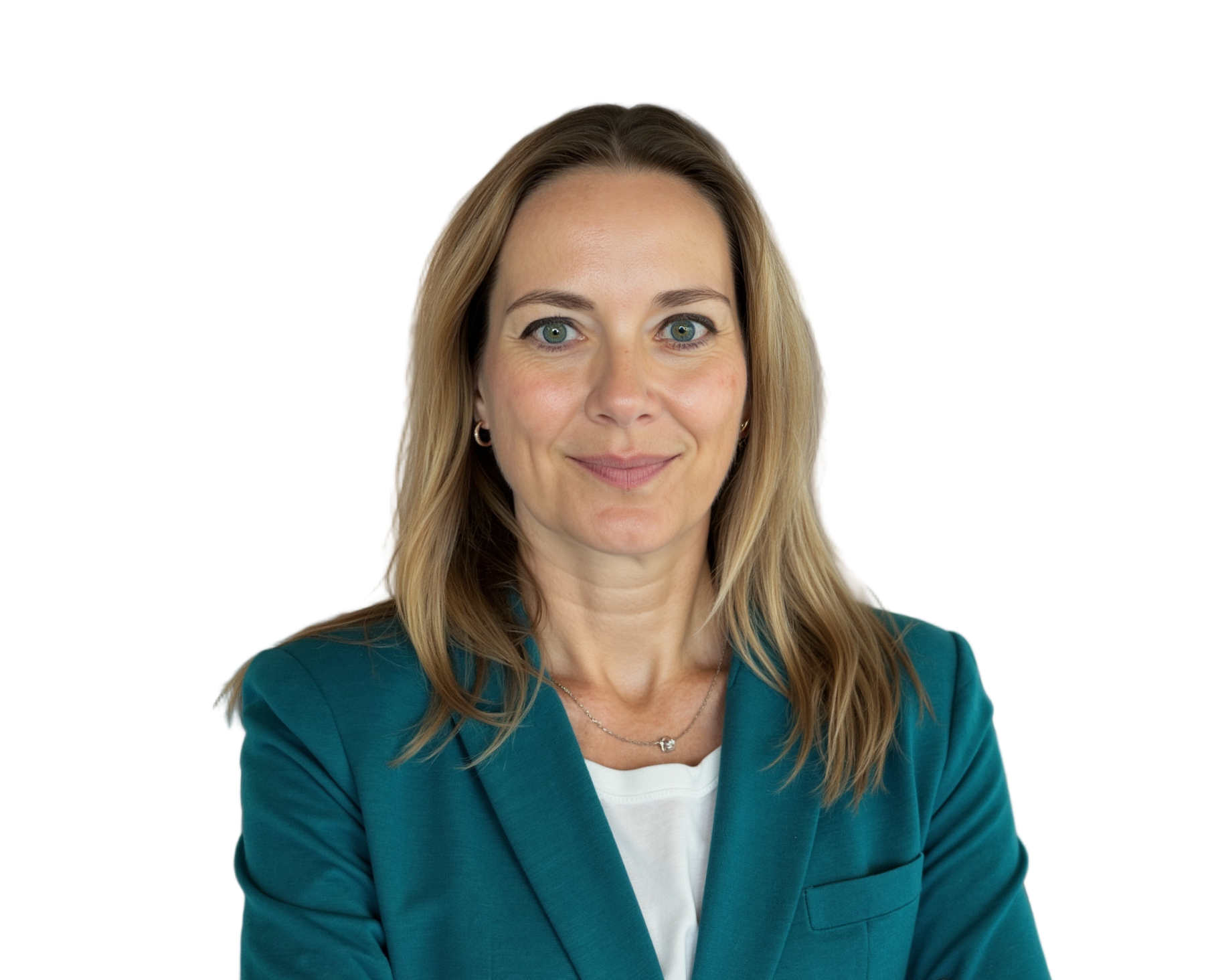
Amber Nesbitt leads you through our K-12 Student Interview Training using real-life strategies and protocols she and co-founder Amy Liss created while leading the Chicago Public Schools’ Office of Inspector General’s Sexual Allegations Unit.
As Deputy Inspector General for over six years, she supervised 30+ investigators, attorneys, and support staff handling over 450 complaints annually with a wide variety of allegations. Known for steady leadership and creative problem-solving, she developed investigator training programs and other investigative strategies that always prioritized compliance, investigative excellence, and student safety.